
Author: Shoshana Burgett, Pink Elephant Productions
A design is only good if it can be produced accurately, efficiently, and cost-effectively. Regardless of what you are designing, we all need a basic understanding of the production supply chain.

DESIGN AND THE SUPPLY CHAIN
Many design processes begin with creative design (say for apparel or sneakers). Once materials, colors, and production methods are determined, prototypes are made and tested. If all goes well, the design is approved for production, and the official product specification or tech pack is created. Designers and product development teams hand off these specs to material buyers, production planners, suppliers, and others involved in the production supply chain. But is that the end of the designer’s or product team’s involvement?
No. Production supply chains are complex and there can be many hiccups that impact accurate and timely production. It’s not unusual for your suppliers or in-house manufacturing team to have questions. There can be quality control issues, the color might be wrong, materials unavailable, parts that don’t match or fit together, etc. When this happens, it’s critical that the product design team and planning teams are collaborating and communicating to resolve the issue and avoid potential production issues.

ORANGE IS NOT BLACK
A clothing manufacturer is in production on a jacket. The specs call for orange thread to be used with the brand logo. However, the manufacturing facility does not have the specified thread – they have a different shade of orange. The facility manager puts in a change request and asks the design/development team if they should use what is on hand or switch to black thread. The product team recommends using a black tread. The orange thread wasn’t critical to the design and not worth holding up production. Problem solved, right?
What the product team didn’t consider is that the jacket is manufactured in two different facilities and the production planning team already sent out the manufacturing schedule and final specs to the other facility. The change request was approved too late in the process without communicating it to the supply chain team. Now the company has produced jackets using both orange and black threads.

Workers must fix the mistake and use the correct thread. This adds more work and delays the finished goods. The product no longer arrives to the customer on time.
Had the product team stepped back to consider production schedules and made a quick call to the planners, they would have learned that multiple facilities were manufacturing the jackets. Together with development, the planners and the facility managers could discuss the change request, its implications, and available options. In a matter of minutes, the team might have decided to manufacturer all jackets using black tread or shifted production schedules until the correct orange thread was available.

HOLISTIC APPROACH
When you are part of the design/development team, your job doesn’t end when a tech pack/specs are handed off. In a perfect world, your design would be made as specified, on time, and on budget with no quality control issues. But we don’t live in a perfect world.
Global supply chains and manufacturing can be complex. Any small change has ripple effects. If design specs are late or changed last minute, you may not be able to produce the item on time or on budget. There are also things outside of a design that impact production – storms can damage a supplier’s ability to produce materials, tariffs increase costs or pandemics.
It’s important that design, development and supply chain teams have a basic understanding of the entire process and everyone’s role. These individuals should be communicating early and often to ensure a smooth production. When everyone knows the process and is communicating, it improves production accuracy, eliminates rework (and frustrations) and allows you to deliver a product to customers faster.
Join the Color Collective
Registration is FREE and only takes a moment
- Latest industry advice
- News, Article, Technology
- Events & Awards,
- And lots more...
Related Posts

We chat with Ryan Stanley from PVH about the digitization of the brand’s color palette and the value of partnerships between design teams and color and material groups.

Most of us are now working virtually, and those who have children find themselves now homeschooling as well. If you are looking for an art activity, coloring eggs might be on your list this week…

Brand managers, marketers, and designers must begin to consider how online grocery services impact the ultimate moment of truth.
Untappd took the lessons from their first virtual event and made the European event incrementally better.

We have seen consumer shifts over the last year to digital. COVID has accelerated the growth of e-commerce and forced events to go virtual. It is in times of challenge that some of the best innovations emerge.
One of 100 Summit celebrates packing design. This year’s winner focused on sustainability, personalization and innovation.

A recent visit to Sephora gave me an opportunity to get a male employee’s perspectives on packaging. It may surprise you.

I read a lot of packaging trend reports and commentary. One thing is clear – many different packaging trends are happening at the moment – it all depends on what market and industry you find you find yourself.

Stumped on what to get for the holidays? Let us help. Our Top 10 Gifts have ideas for designers, marketers, photographers and more.
Design processes were already moving towards 3D and digital. Our Design Dash is for all designers to begin thinking of designing in 3D.
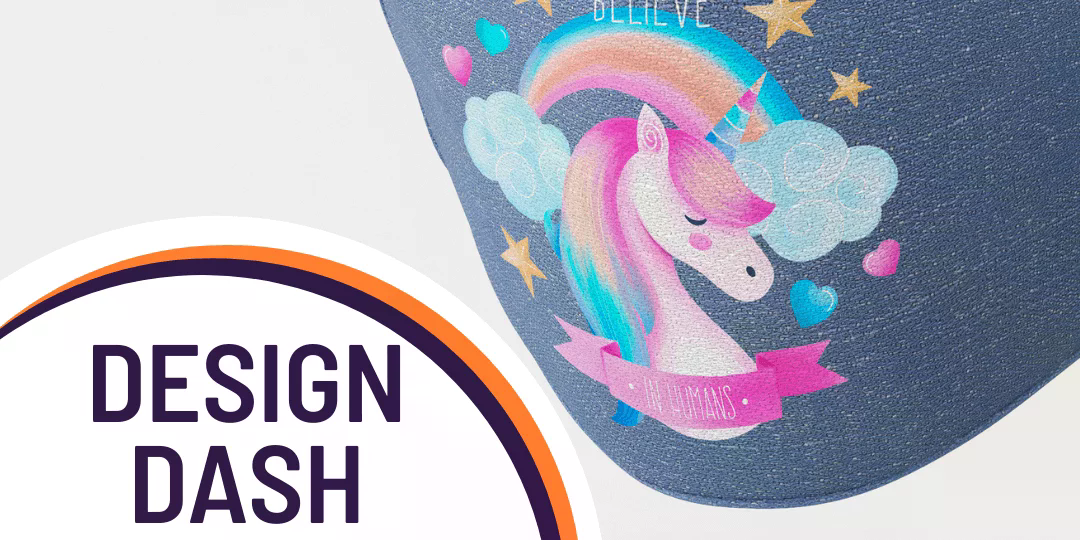
Colorkarma is excited to announce our first Design Dash Contest. With our partner Gerber Technology, we invite all designers and creatives to submit their colorful, inspiring, calming, fun and creative design patterns for face-masks.

I come from a printing background, developed over time after graduation, where I was skilled in both design and PostScript ‚Äî the language that produced digital designs on printers. It was the ’90s, where digital printing was in its infancy.

We visit with Frank Romano to learn about the History of Chromolithography.

Why does the color look different in a store than at home? Understanding color perception helps designers minimize color change.

Companies are continually streamlining. The coronavirus has required some operations to digitize and change quickly. We are now at the cusp of the automated and digitized supply chain, design to shelf.
