
WHO DOESN’T LOVE PIZZA?
The last few years have seen a lot of creativity and innovation regarding pizza cuisine. There are thin and deep-dish pizza crusts, cheesy crusts, gluten-free crusts, and my favorite, cauliflower. Just about any type of meat, seafood, vegetable, and spice have become a pizza topping or ingredient. But what about the pizza box?
In 2015, Pizza Hut had the movie box promotion, where the box, including the protective ring, turned the box into a movie projector with your smartphone. In 2016, the company launched the DJ mixing Box that consumers could use with an app to mix music and become the hit at the party. In both cases Pizza Hut was looking to engage its customer base by going beyond the pizza, striving to give the box a second life. This year, Pizza Hut is thinking outside of the box.

Last week, Pizza Hut announced it is testing a new round pizza box in a Phoenix location. While Pizza Hut is not the first company to do this (Apple uses its own patented round pizza boxes in its campus cafeterias), it is the first major pizza chain to test a round box. And we think it’s about time.
Pizza Hut partnered with Zume, an industrial design and manufacturing company focused on bringing food products faster and closer to the end consumer. In a Washington Post article, Nicolas Burquier, Pizza Hut’s chief customer and operations officer, said, “For the most part, only marginal changes have been made to pizza boxes through the years. This round box leverages new technology and represents step change innovation.”
Pizza Hut said the new round design took two years to create. The company partnered with Zume, a company pioneering the shift to a more sustainable future of food, to design and manufacture the box. According to Zume’s blog, their team of design, manufacturing and sustainability experts worked closely with Pizza Hut to design countless versions and features. They tested different types of plant-based ingredients (used in the packaging) and examined how it performed in-store, at home, in delivery, and under various conditions.
It’s about geometry, the new round box contains less packaging compared to a typical square pizza box. The box is made using sustainably harvested plant fiber with a smooth finish. It has a modern look and feel. The material is an industrially compostable (where available) alternative to cardboard.
Unique to the design is the ability to flip the top lid under the bottom to elevate the pizza for serving. Anyone with hungry teenagers (or anyone feeding a large group) will find this a welcome design change. It is bound to make serving easier. The new design also claims to be easy to fold into a small bin for composting.
Both Pizza Hut and Zume say the design includes features that will help at the store level too. Folding pizza boxes takes years of practice, and not everyone can do it at the breakneck speed of Breanna Gray. The new pre-molded design is ready to use, no folding necessary and it takes up less space. In addition, it interlocks for easier handling in the restaurant and delivery.
This new pizza box design is a great example of how brands, designers and manufacturers are working together to deliver innovative solutions to meet changing market needs – especially around reduced or green packaging. As companies rethink packaging materials, designers will have to work closely with material suppliers to understand the design advantages and limitations of the materials. Package printers will be able to help designers understand what print processes are used in order to select color standards that can be accurately produced on the materials. By engaging suppliers early on in the process, marketers and designers will be able to execute their packaging vision faster and more effectively.
I’ll be curious to see how the Pizza Hut round packaging is received by customers and what the overall rollout is across all stores. The biggest impact could be the cost of the new packaging. The Washington Post article asked Burquier about costs. While he didn’t say how much the new box cost in comparison to the traditional square box, he did say that “innovative manufacturing processes” would keep it from impacting the price the chain charges. Stay tuned…
Join the Color Collective
Registration is FREE and only takes a moment
- Latest industry advice
- News, Article, Technology
- Events & Awards,
- And lots more...
Related Posts

We chat with Ryan Stanley from PVH about the digitization of the brand’s color palette and the value of partnerships between design teams and color and material groups.

Most of us are now working virtually, and those who have children find themselves now homeschooling as well. If you are looking for an art activity, coloring eggs might be on your list this week…

Brand managers, marketers, and designers must begin to consider how online grocery services impact the ultimate moment of truth.
Untappd took the lessons from their first virtual event and made the European event incrementally better.

We have seen consumer shifts over the last year to digital. COVID has accelerated the growth of e-commerce and forced events to go virtual. It is in times of challenge that some of the best innovations emerge.
One of 100 Summit celebrates packing design. This year’s winner focused on sustainability, personalization and innovation.

A recent visit to Sephora gave me an opportunity to get a male employee’s perspectives on packaging. It may surprise you.

I read a lot of packaging trend reports and commentary. One thing is clear – many different packaging trends are happening at the moment – it all depends on what market and industry you find you find yourself.

Stumped on what to get for the holidays? Let us help. Our Top 10 Gifts have ideas for designers, marketers, photographers and more.
Design processes were already moving towards 3D and digital. Our Design Dash is for all designers to begin thinking of designing in 3D.
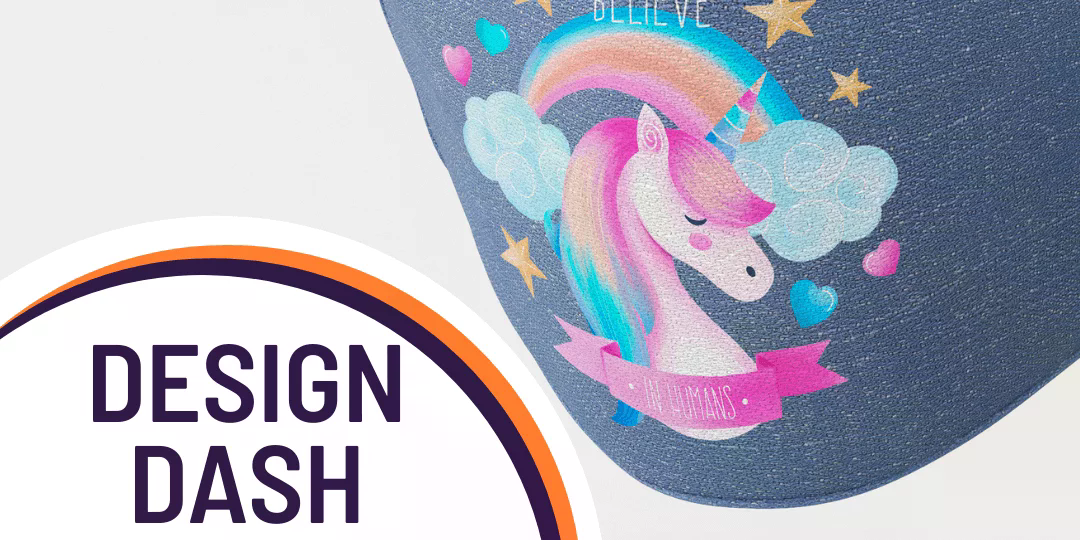
Colorkarma is excited to announce our first Design Dash Contest. With our partner Gerber Technology, we invite all designers and creatives to submit their colorful, inspiring, calming, fun and creative design patterns for face-masks.

I come from a printing background, developed over time after graduation, where I was skilled in both design and PostScript ‚Äî the language that produced digital designs on printers. It was the ’90s, where digital printing was in its infancy.

We visit with Frank Romano to learn about the History of Chromolithography.

Why does the color look different in a store than at home? Understanding color perception helps designers minimize color change.
Companies are continually streamlining. The coronavirus has required some operations to digitize and change quickly. We are now at the cusp of the automated and digitized supply chain, design to shelf.
